Restoring Home Safety After Water Tank Damage
About this mold remediation project
A damaged water tank in an established Fairfax County home in Annandale created water intrusion across multiple rooms—a scenario that demands prompt action in the area's mid-20th-century residential stock, where original plumbing and building envelope details can accelerate secondary moisture migration. The failure spread water to spaces beyond the immediate tank location, requiring systematic assessment before drying could begin.
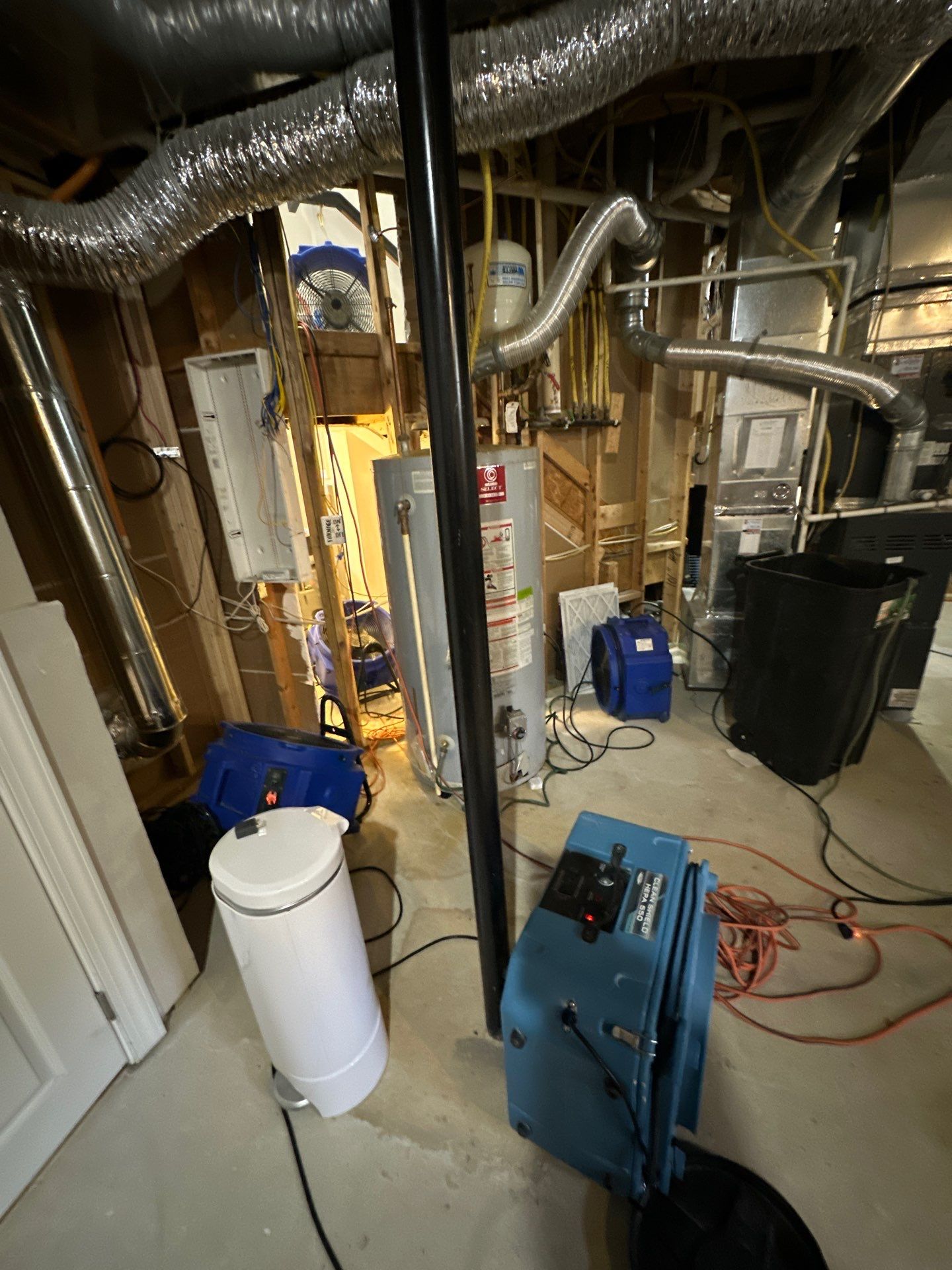
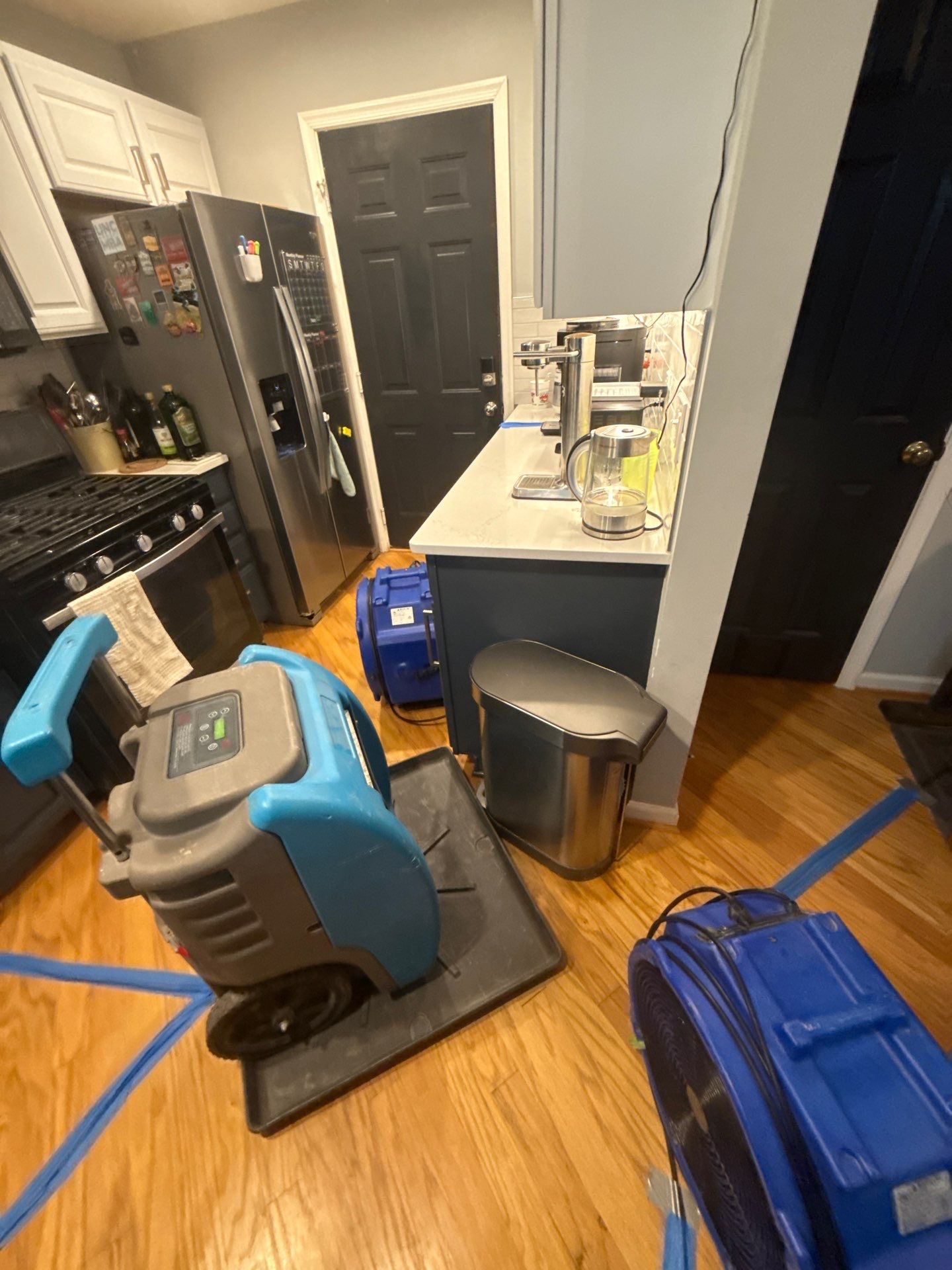
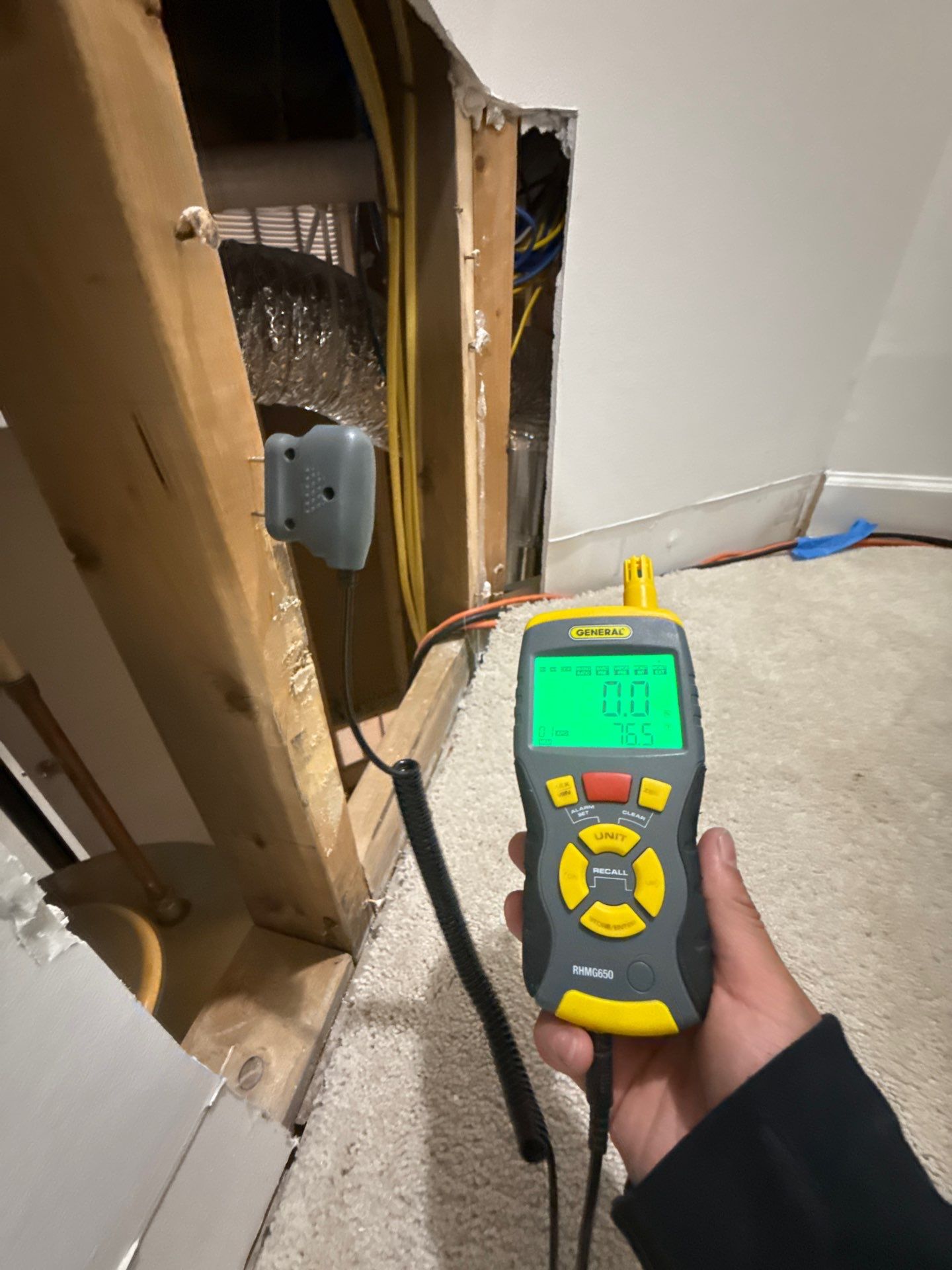
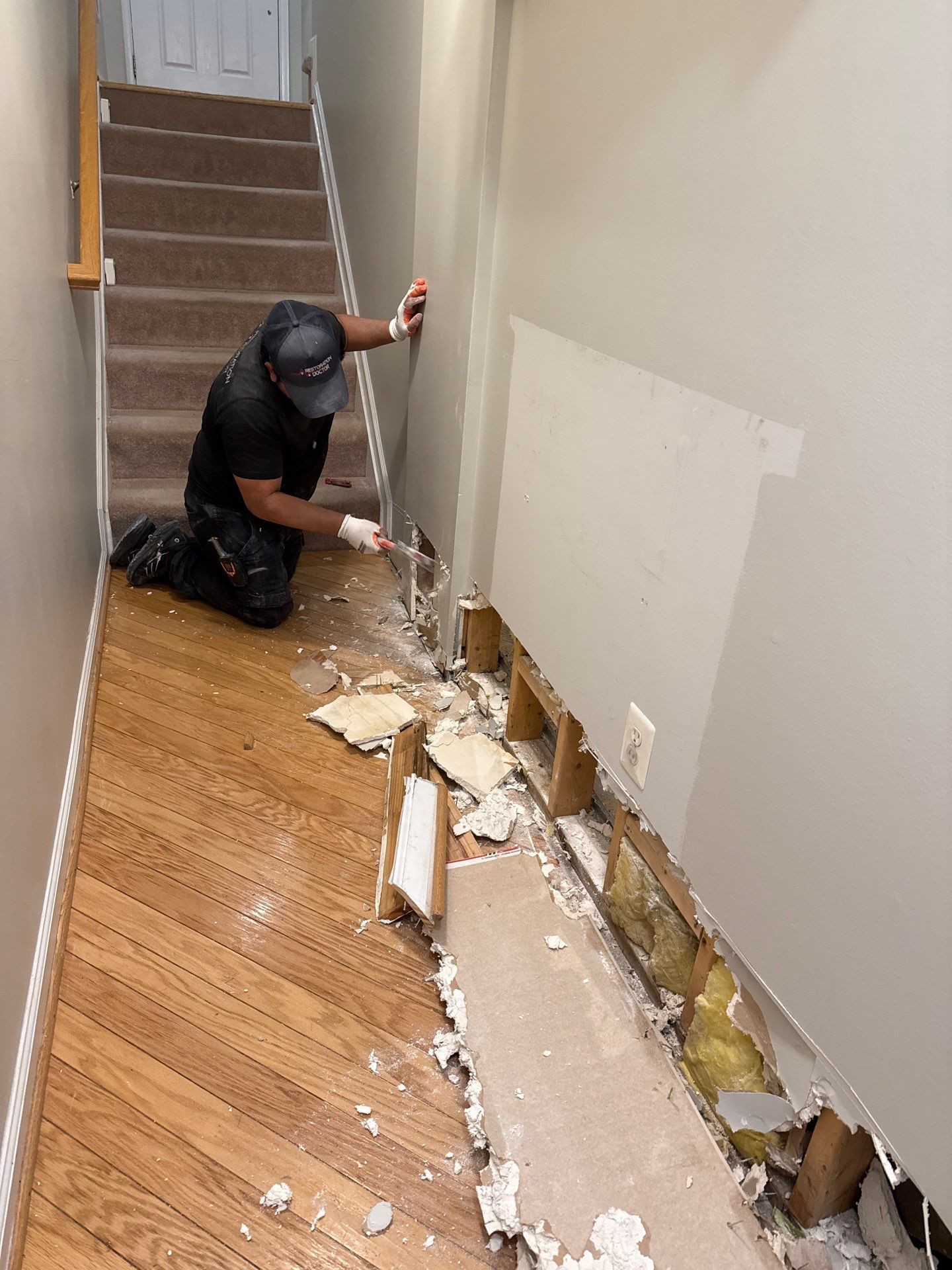
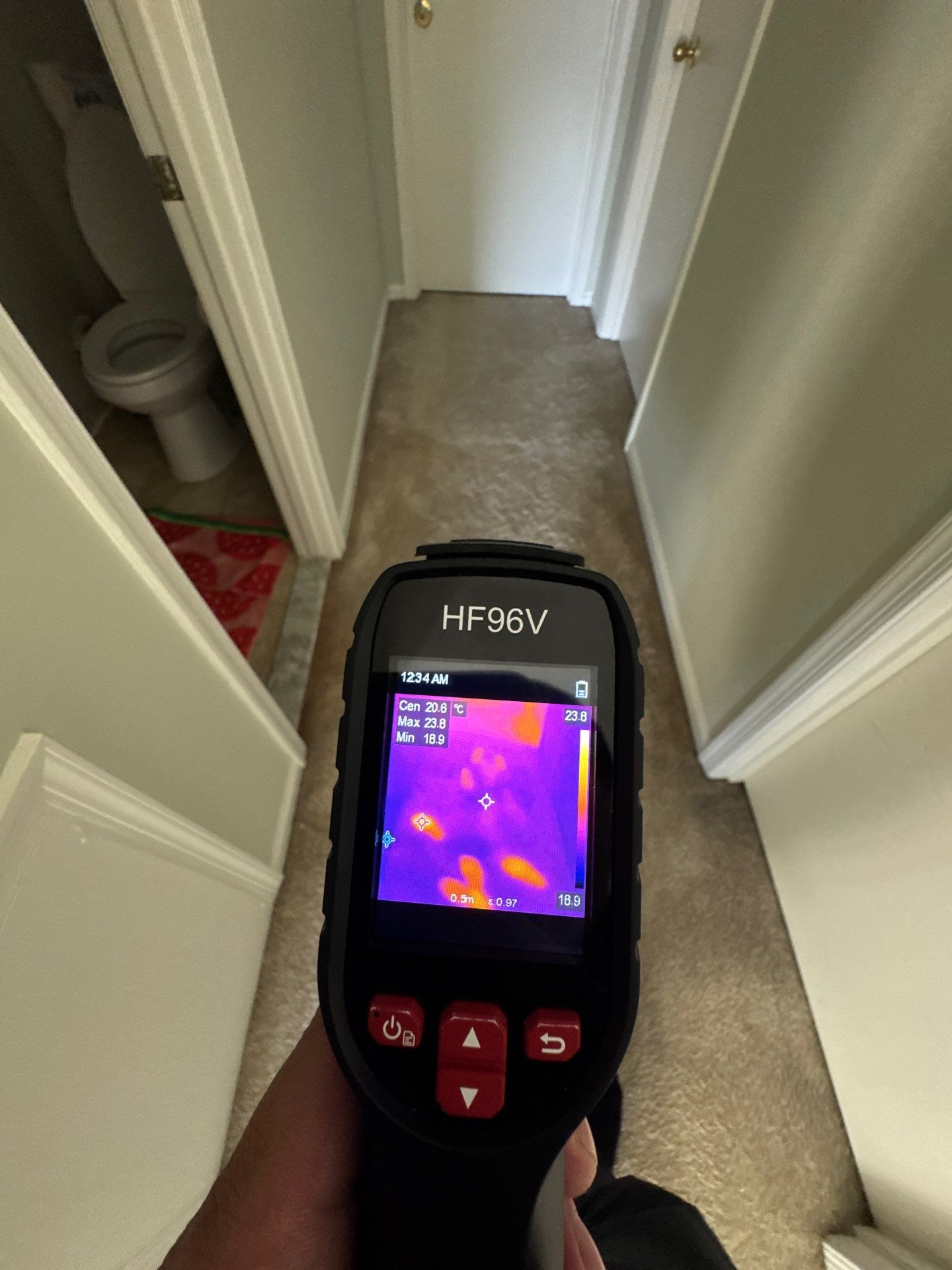
We deployed thermal imaging to map the full extent of moisture penetration, identifying affected wall cavities and floor assemblies that visual inspection alone would miss. With that data in hand, we positioned commercial drying equipment throughout the impacted areas, running units until moisture readings normalized. Because standing water and prolonged dampness had created conditions conducive to microbial growth, we transitioned from water extraction to mold remediation under IICRC S520 protocol, applying antimicrobial treatments and sanitation measures to affected surfaces.
The homeowner noted the thoroughness of the assessment and the clear communication throughout the process. By addressing both the immediate water damage and the mold risk it introduced, we returned the property to a safe, dry baseline without the need for extensive reconstruction—preserving the home's original character while eliminating the environmental hazard the tank failure had created.
Reviews from Restoration Doctor customers
The team at Restoration Doctor was a beacon of hope during our mold crisis. Their professional and efficient service helped restore our home to its former glory. They were understanding, patient and made us feel reassured throughout the process!
Frequently asked questions
How does thermal imaging help detect hidden moisture after water damage in Annandale homes?
Restoration Doctor uses thermal imaging to identify temperature differentials that reveal moisture trapped behind walls, under floors, and in other concealed areas of Annandale properties. This non-invasive technology was essential in this case to map the full extent of water intrusion from the failed tank across multiple rooms. By pinpointing hidden saturation in the established mid-century construction common to Fairfax County, we ensure drying equipment targets every affected area, preventing conditions that support mold growth.
Why did mold develop after the water tank failure, and how was it addressed?
When the damaged water tank released water across multiple areas of this Annandale residence, the prolonged moisture created an environment where mold could establish itself on building materials. Restoration Doctor's response combined structural drying to eliminate the moisture source and sanitation measures to address contamination. Thermal imaging confirmed that all affected zones reached appropriate dryness levels, removing the conditions mold requires to persist.
What structural drying methods work best in older Fairfax County homes like those in Annandale?
The established single-family homes and garden apartments in Annandale often feature construction materials and layouts from the mid-20th century that require tailored drying strategies. Restoration Doctor deploys commercial dehumidifiers and air movers positioned based on thermal imaging findings to address moisture in wall cavities, subfloors, and other areas typical of this housing stock. Continuous monitoring ensures materials return to dry standards without over-drying or under-treating hidden pockets.
Can water damage from a failed tank lead to long-term problems if not properly dried?
Yes—incomplete drying after a tank failure leaves residual moisture in framing, insulation, and finishes that can weaken materials and sustain microbial growth over time. Restoration Doctor's use of thermal imaging and staged structural drying in this Annandale property ensured no hidden saturation remained after the initial water intrusion. Proper sanitation following drying further protects indoor air quality and prevents recurring contamination.
How does Northern Virginia's climate affect mold risk after winter water damage?
Freeze-thaw cycles common to Northern Virginia can stress older plumbing and contribute to failures like the tank damage seen in this Annandale job, often during months when homes are sealed against the cold. The combination of water intrusion and limited ventilation in winter creates elevated indoor humidity that accelerates mold establishment. Restoration Doctor's structural drying and sanitation approach addresses both the immediate water damage and the humid conditions that Fairfax County's winter climate can prolong indoors.
Explore more restoration work
All projects in Annandale · Mold Remediation in Annandale
Water, fire, or mold damage in Annandale?
Restoration Doctor responds 24/7 across Annandale and Northern Virginia. Free assessment and transparent, insurance-friendly estimates — no obligation.
See our Mold Remediation services at restorationdoctors.com →