Swift water damage Restoration
About this water damage restoration project
Water intrusion had already triggered mold growth in this residential property when we arrived, requiring both extraction and remediation protocols. In Alexandria's independent city, where a mix of historic row homes and mid-20th-century single-family stock can mean aging pipe connections vulnerable to winter freeze-thaw cycles, secondary mold following water damage is a common progression when moisture lingers unaddressed.
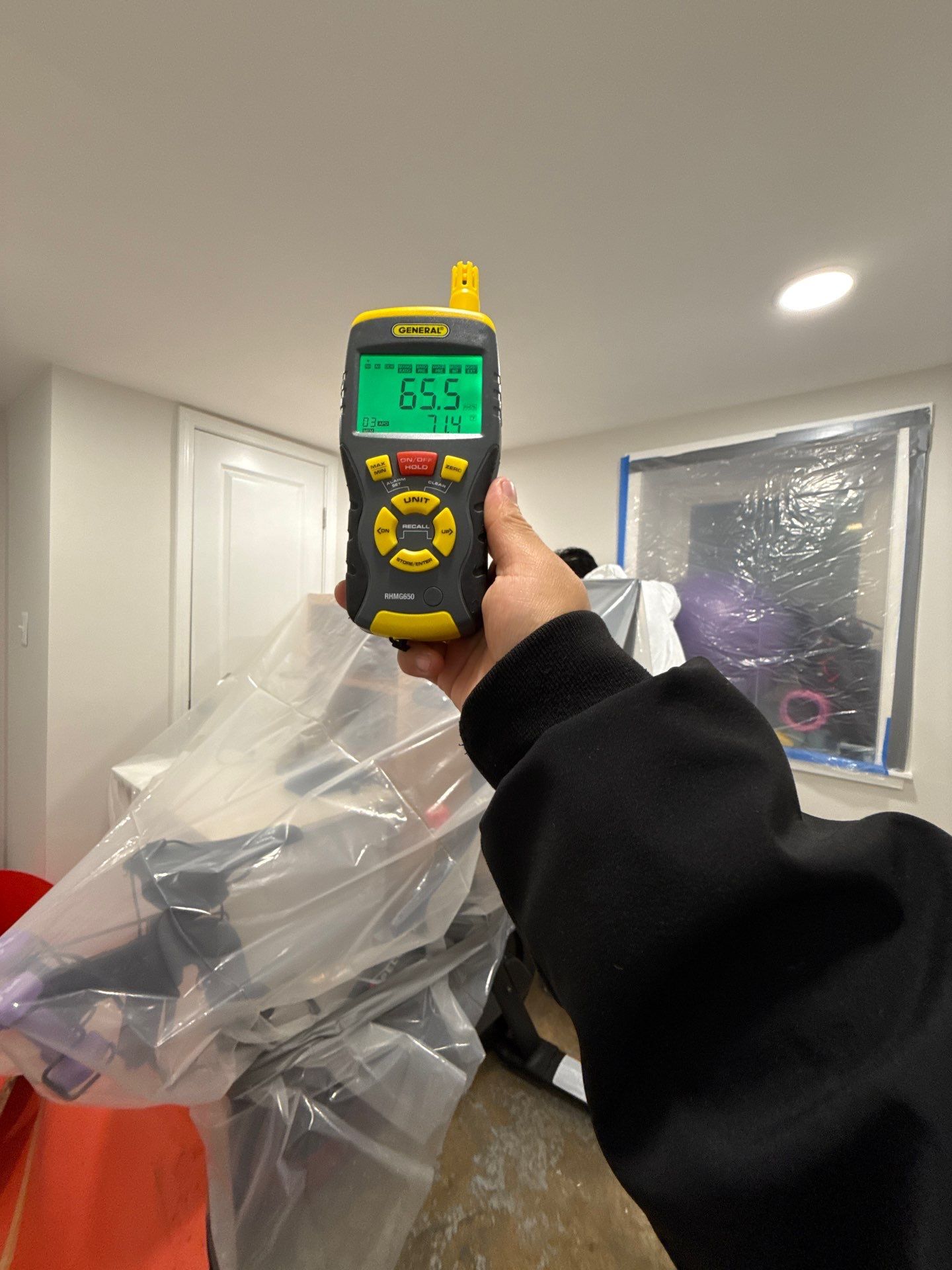
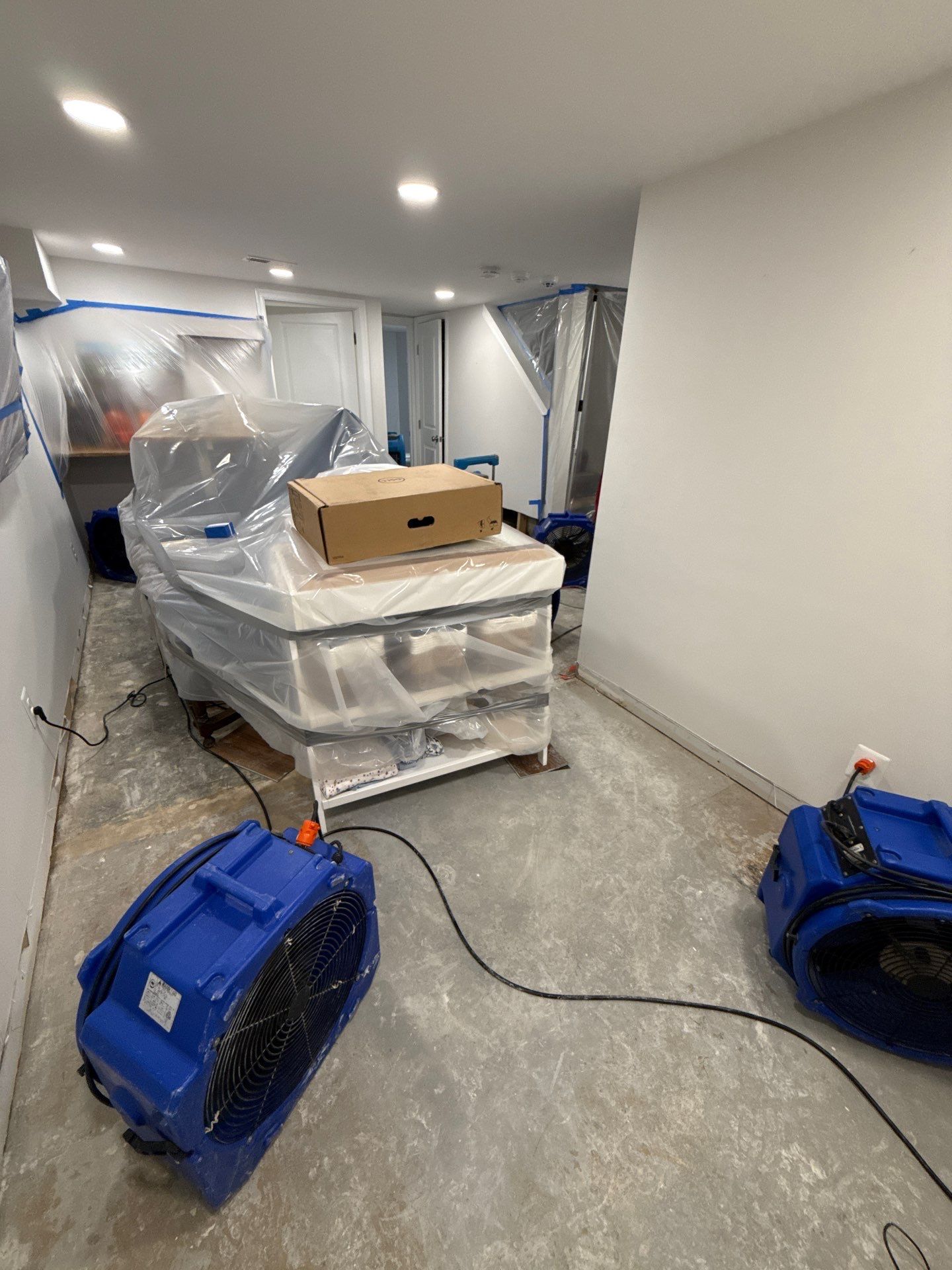
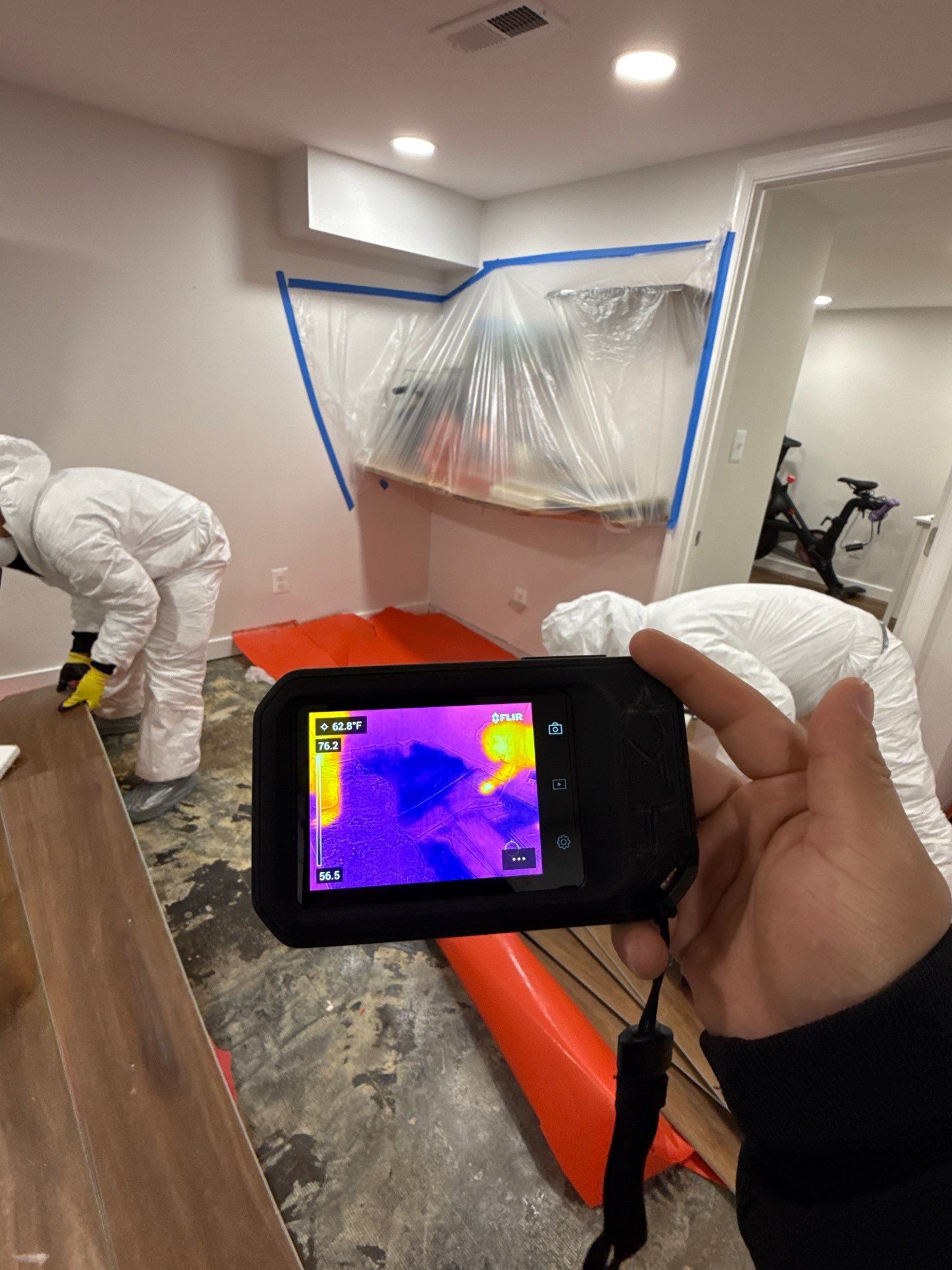
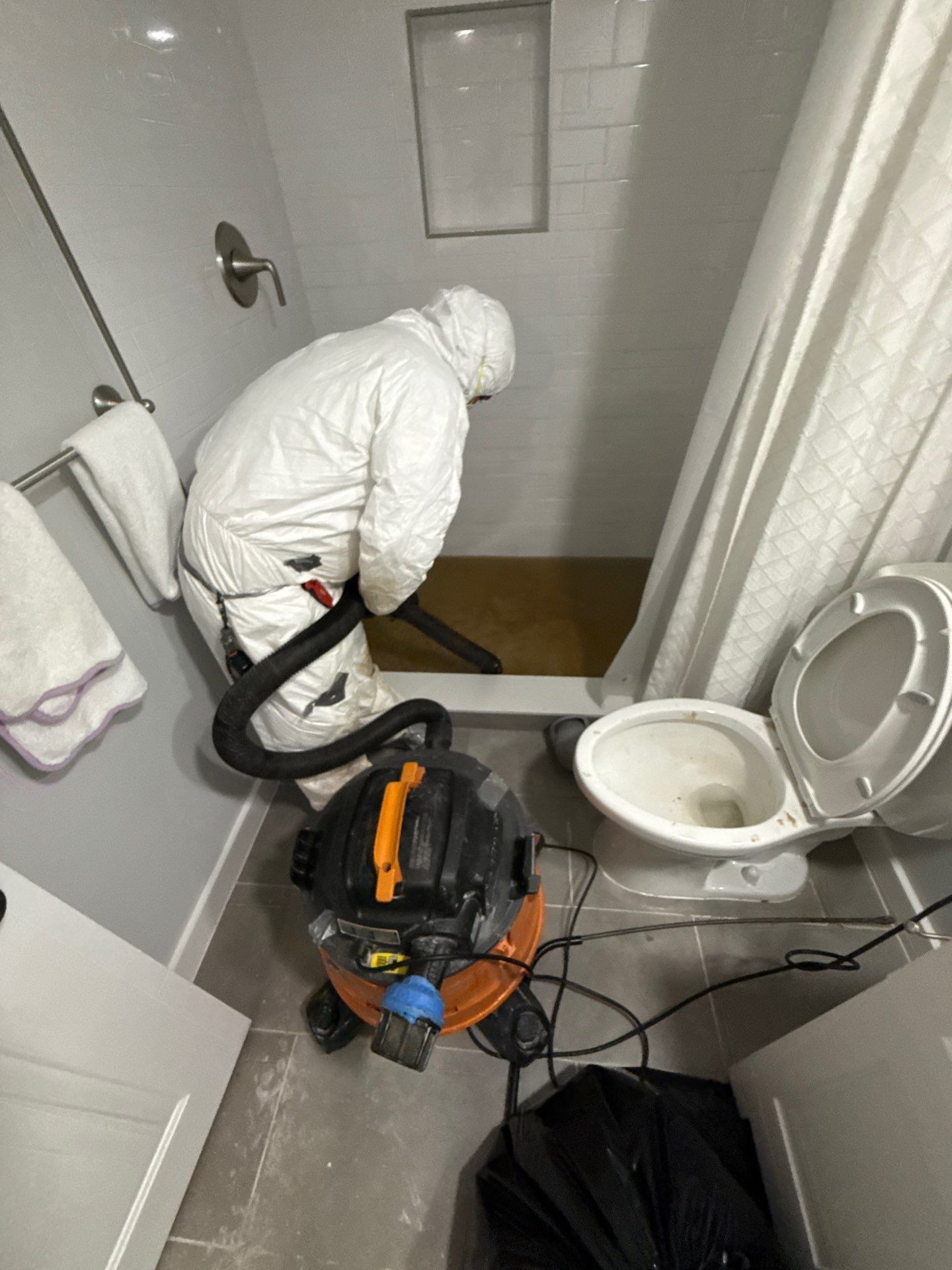
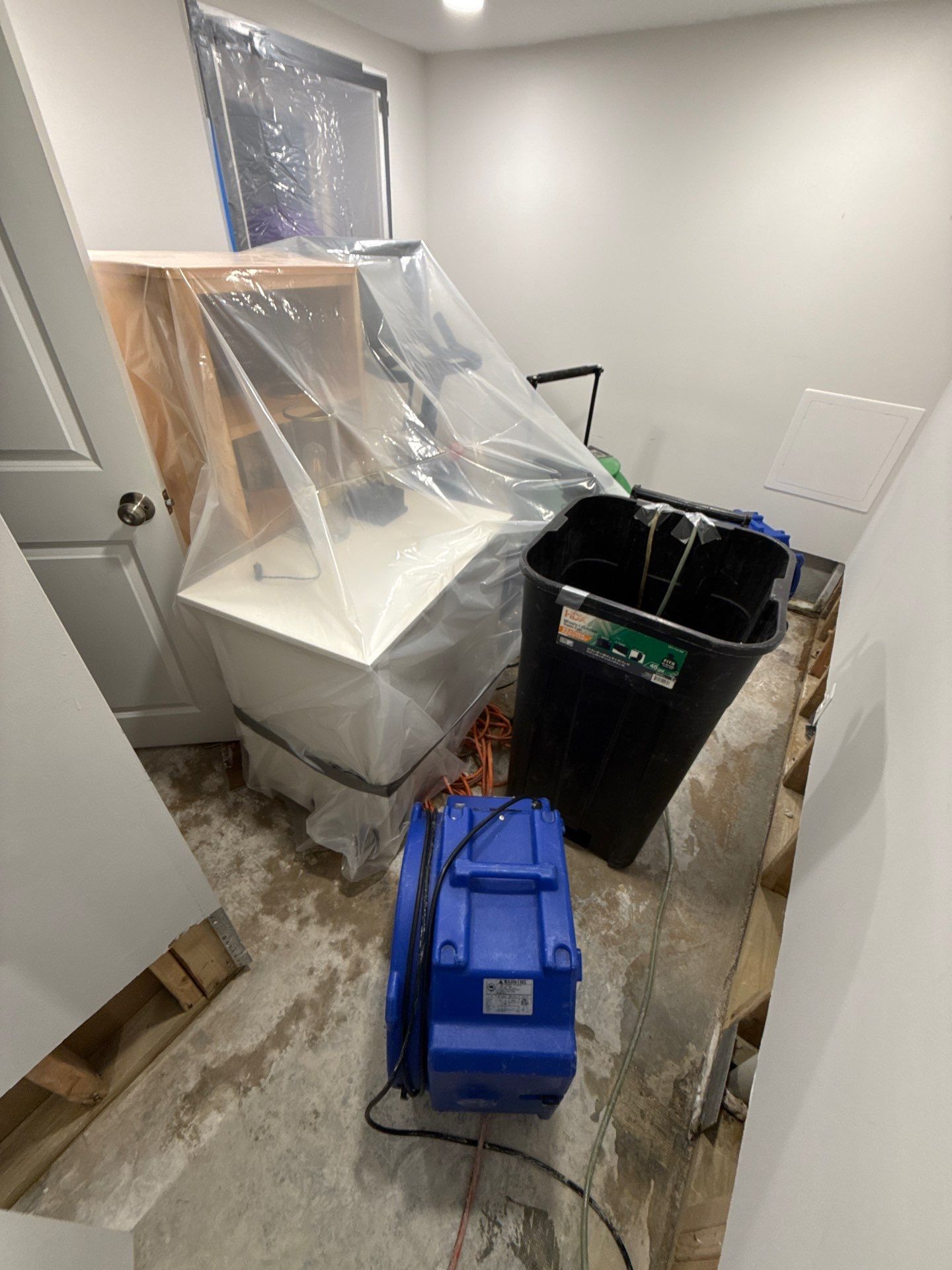
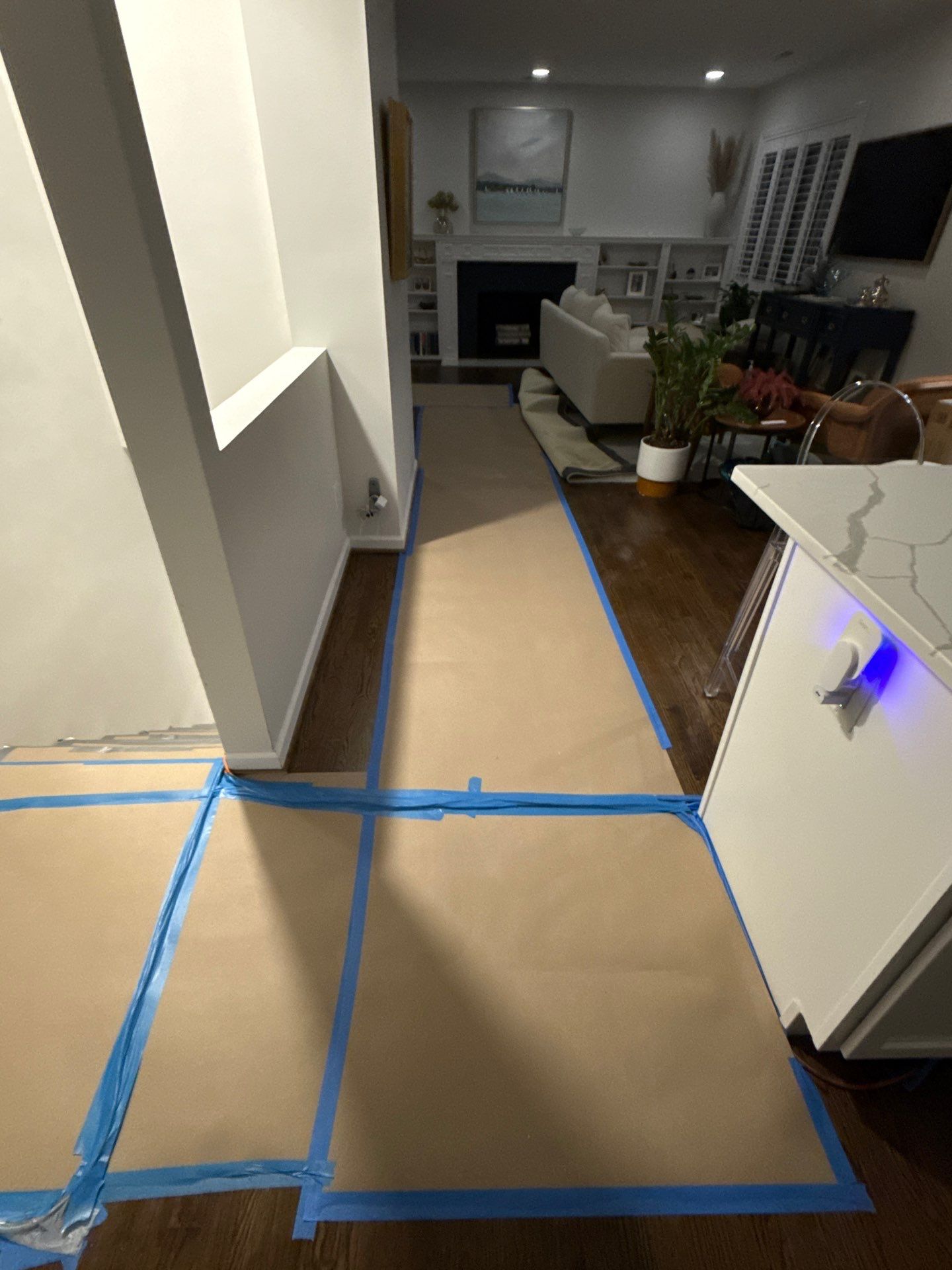
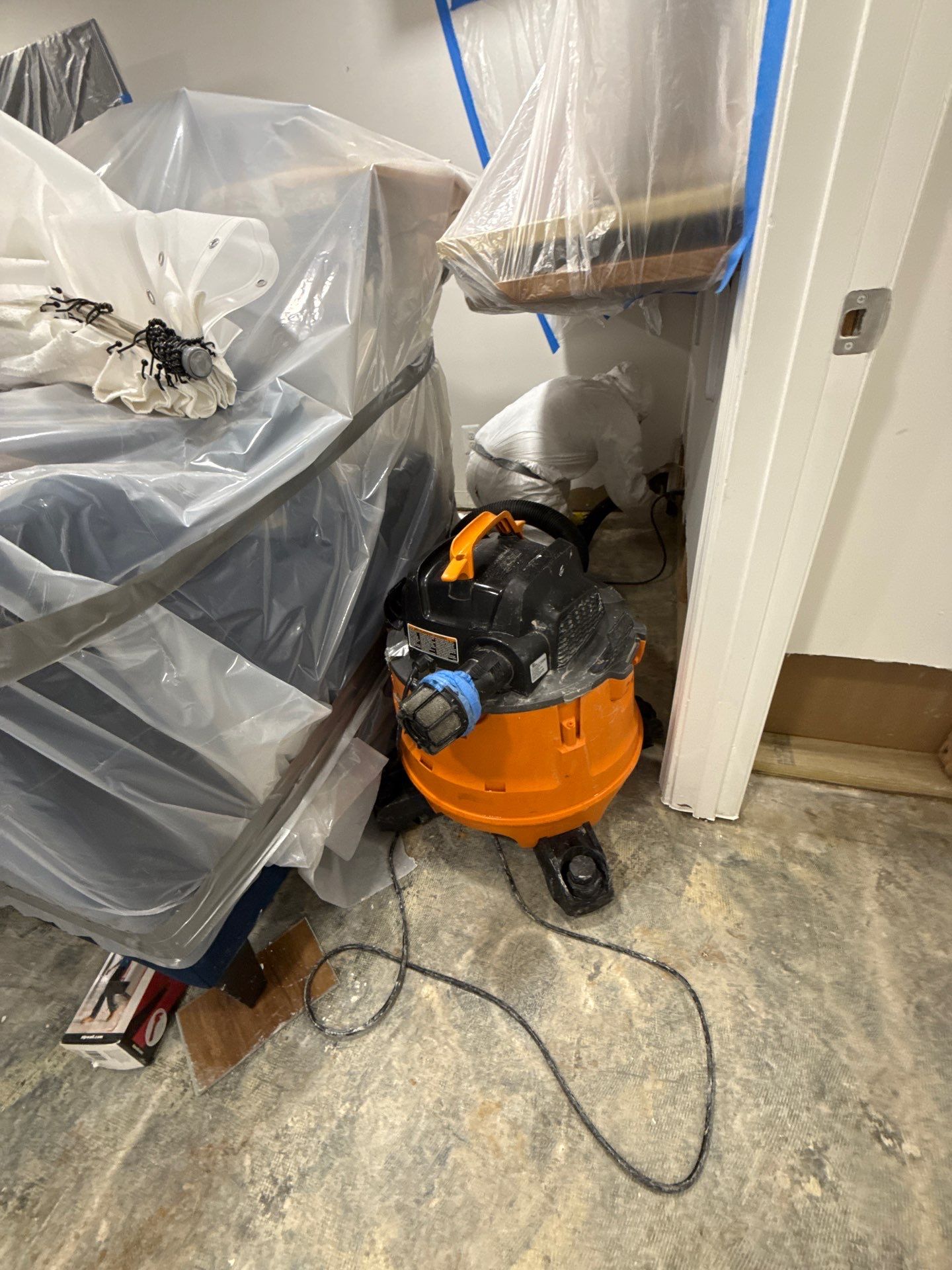
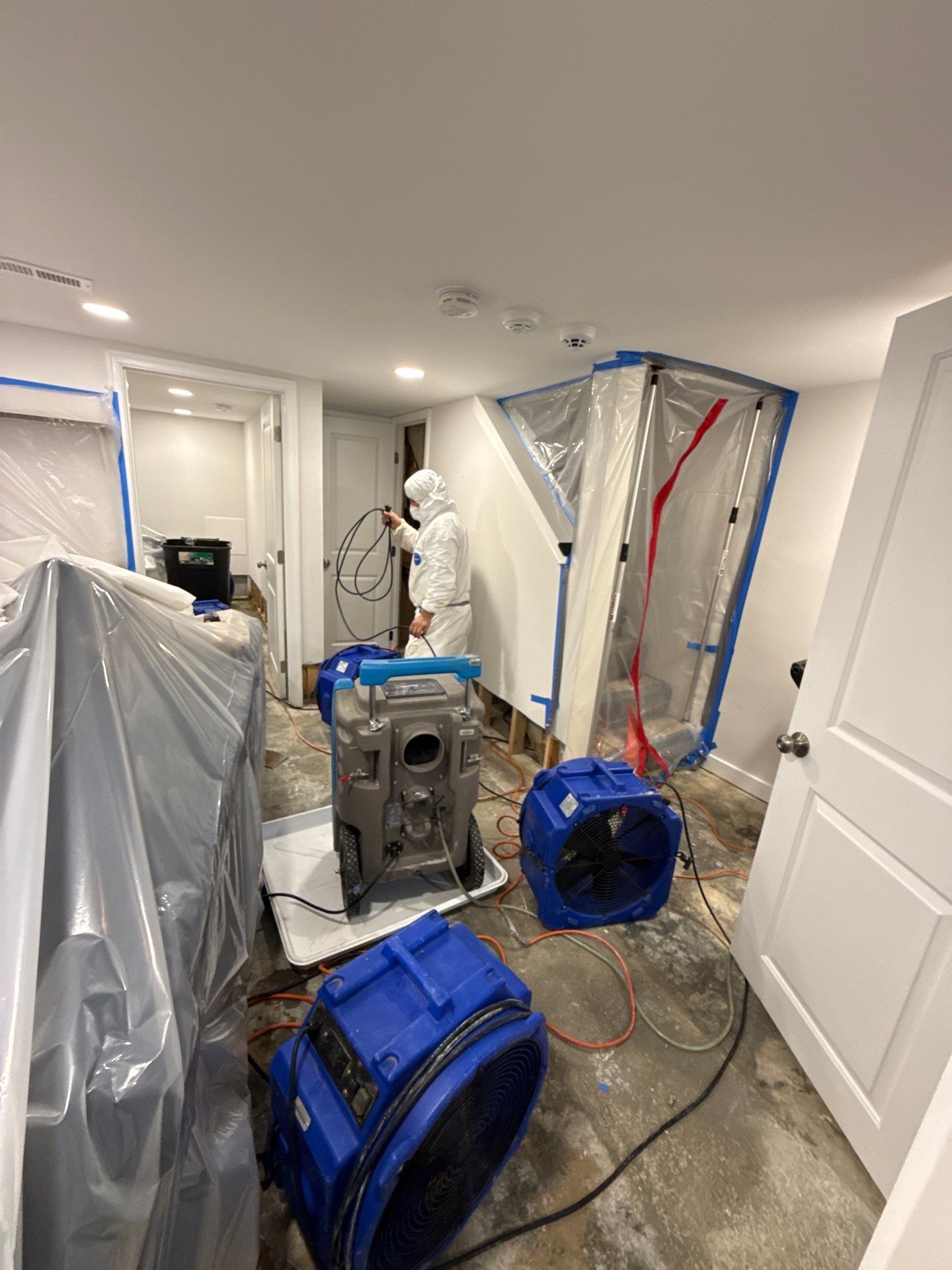
Our first step was to protect unaffected belongings with plastic sheeting, establishing clean zones before addressing the contaminated areas. Powerful extraction vacuums removed standing water from affected rooms, followed by the removal and replacement of compromised wall sections where moisture had penetrated deep enough to support microbial growth. Commercial drying equipment was positioned to accelerate evaporation and bring materials back to dry standard, a process guided by IICRC S520 mold remediation principles.
Once structural drying was complete, we applied antimicrobial treatments to all previously wet surfaces, ensuring no residual spores remained viable. The homeowner expressed satisfaction with both the thoroughness of the work and the care taken to minimize disruption, noting the space was returned to safe occupancy without lingering odor or visible damage. This job illustrates how rapid response to water intrusion—paired with proper drying and sanitation—can resolve mold issues before they require full environmental containment or extended occupant displacement.
Frequently asked questions
Why is mold remediation often needed after water damage in Alexandria's older housing stock?
In Alexandria's mix of historic row homes and mid-20th-century residential buildings, water intrusion can quickly lead to mold growth when moisture penetrates plaster, wood framing, or older wall assemblies that lack modern vapor barriers. Restoration Doctor's water damage restoration process includes both structural drying and mold remediation to address the full scope of damage. For this Alexandria property, we extracted standing water, installed drying equipment, and sanitized all affected surfaces to prevent mold colonization in the humid indoor environment left behind by the intrusion.
What does contents protection involve during a water damage job?
Contents protection means safeguarding furniture, belongings, and personal items from further water exposure, dust, and contamination during the restoration process. At this Alexandria residence, Restoration Doctor covered belongings with plastic sheeting before beginning extraction and demolition work. This step ensures that items not directly damaged by the water intrusion remain clean and dry while we remove standing water, replace damaged wall sections, and complete structural drying and mold remediation.
How does structural drying work after water extraction?
Once standing water is removed with industrial extractors, structural drying uses air movers and dehumidifiers to pull residual moisture from building materials like drywall, framing, and subfloors. For this Alexandria water damage restoration, Restoration Doctor installed drying equipment after extraction to bring the affected areas back to normal moisture levels. Proper drying is essential to prevent secondary mold growth and ensure the replaced wall sections integrate with surrounding materials without warping or further deterioration.
Can water damage cause mold in Alexandria homes even during winter months?
Yes—while winter freeze-thaw cycles are a common cause of pipe bursts and water intrusion in older Northern Virginia plumbing, mold can develop year-round if moisture is not promptly removed and affected areas are not properly dried. Restoration Doctor responded to this Alexandria property after water intrusion led to mold growth, extracting standing water, replacing damaged wall components, and sanitizing all surfaces. Indoor humidity from the water event, not outdoor temperature, drives mold colonization, which is why thorough drying and remediation are critical regardless of season.
What is involved in sanitizing after mold remediation?
Sanitizing applies antimicrobial treatments to surfaces that were exposed to water and mold, reducing the microbial load and helping prevent regrowth once the source of moisture is eliminated. At this Alexandria job, Restoration Doctor sanitized thoroughly after removing standing water, drying the structure, and completing mold remediation work. This final step ensures the space is safe for reoccupancy and that any remaining spores or organic residue on hard surfaces are neutralized before reconstruction or repainting begins.
Explore more restoration work
All projects in Alexandria · Water Damage Restoration in Alexandria
Water, fire, or mold damage in Alexandria?
Restoration Doctor responds 24/7 across Alexandria and Northern Virginia. Free assessment and transparent, insurance-friendly estimates — no obligation.
See our Water Damage Restoration services at restorationdoctors.com →